What is it?
According to a SAS article on Natural Language Processing, NLP is defined as being “…a branch of artificial intelligence that helps computers understand, interpret and manipulate human language. NLP draws from many disciplines, including computer science and computational linguistics, in its pursuit to fill the gap between human communication and computer understanding.“
Most of us are familiar with smart devices which are voice-enabled. “Now you can say, “Alexa, I like this song,” and a device playing music in your home will lower the volume and reply, “OK. Rating saved,” in a humanlike voice. Then it adapts its algorithm to play that song – and others like it – the next time you listen to that music station.” Anything and everything you can think of inside and outside of our homes, has been and/or will be converted from being a commodity to an automated system which responds to and utilizes data from human interactions.
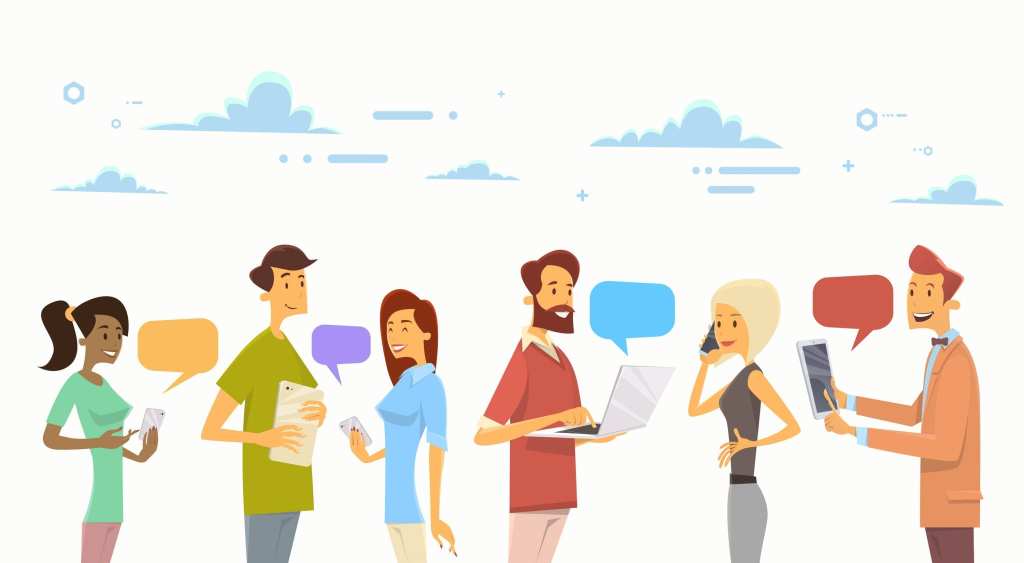
NLP is intended to decipher and translate both verbal and written forms of communication. Text analytics is another type of NLP, which converts text into data for analysis. There is an untapped potential in unstructured text, which includes opportunities for every organization to extract the opinions, thoughts, and other feedback from its customers and convert them into their digital database of information, in order to uncover insights from hidden word streams.
NLP is not a new science, just like the neural networks which are built to drive accurate customer-centric predictions in Deep Learning are not new (as mentioned in last week’s post). However, “the technology is rapidly advancing thanks to an increased interest in human-to-machine communications, plus an availability of big data, powerful computing and enhanced algorithms.“
How does it work?
After reviewing SAS’s NLP article, it is my understanding that NLP tasks break down language into communication blocks, in order to try to understand any relationships that exist between the communication blocks, and to explore how these blocks work together in one or more meaningful ways. Examples of NLP applications, include:
- “Content categorization. A linguistic-based document summary, including search and indexing, content alerts and duplication detection.
- Topic discovery and modeling. Accurately capture the meaning and themes in text collections, and apply advanced analytics to text, like optimization and forecasting.
- Contextual extraction. Automatically pull structured information from text-based sources.
- Sentiment analysis. Identifying the mood or subjective opinions within large amounts of text, including average sentiment and opinion mining.
- Speech-to-text and text-to-speech conversion. Transforming voice commands into written text, and vice versa.
- Document summarization. Automatically generating synopses of large bodies of text.
- Machine translation. Automatic translation of text or speech from one language to another.“
Why does it matter?
Each NLP application listed above is a part of a bigger picture, which is to work towards the goal of taking raw language input data, manipulating that data via linguistics and algorithms, and transforming or enriching that data in a way that delivers greater value than what the original / unobserved input data provides by itself.
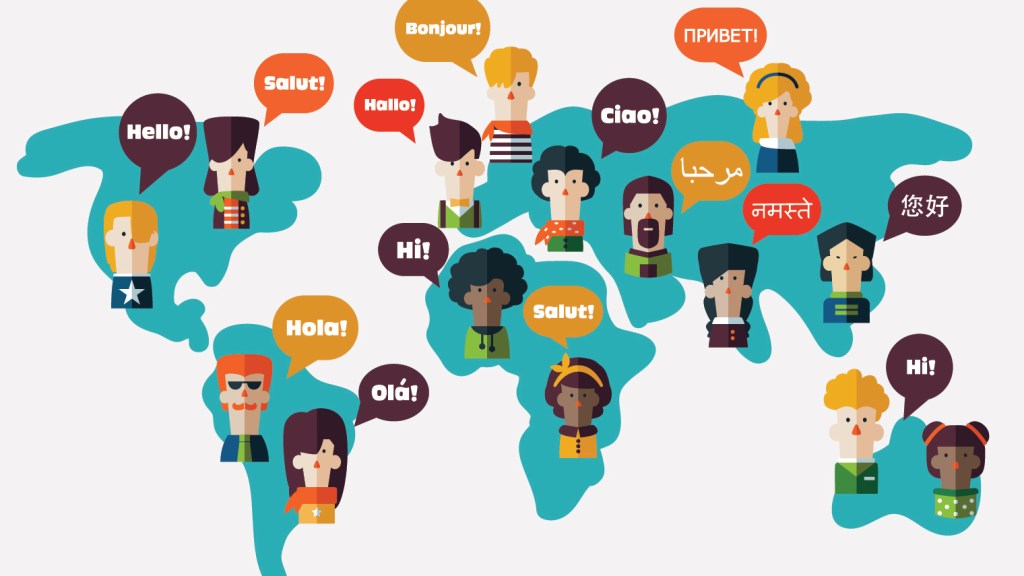
What makes NLP stand out from the other machine learning approaches to modeling human language, is the need to gain syntactic and semantic and domain expertise, which these other approaches are not designed for and therefore fall short of achieving. “NLP is important because it helps resolve ambiguity in language and adds useful numeric structure to the data for many downstream applications, such as speech recognition or text analytics.” In other words, NLP is designed and/or intended to understand, process, interpret, and utilize slang, in ways that the other branches of AI “Can’t.”
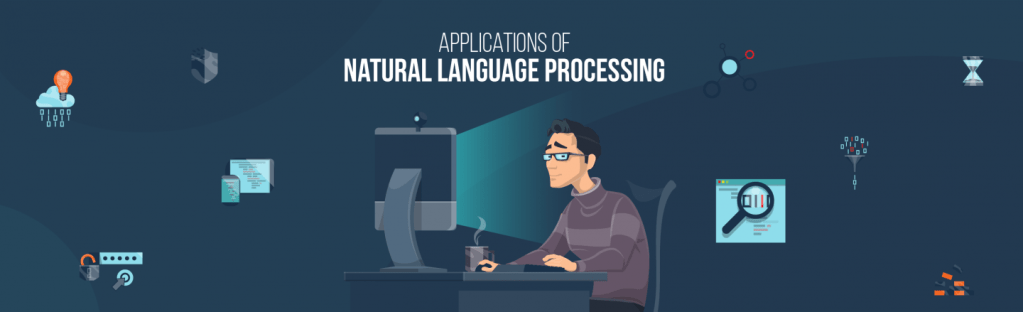
Applications of NLP are being implemented in many industries. There are numerous ways in which NLP is being leveraged by organizations, as described by a SAS paper on text analytics, including “…how organizations in banking, health care and life sciences, manufacturing and government are using text analytics to drive better customer experiences, reduce fraud and improve society.” For example, “Royal Bank of Scotland uses text analytics, to extract important trends from customer feedback in many forms.” The company analyzes data from emails, surveys and call center conversations to identify the root cause of customer dissatisfaction and implement improvements,” and is improving its customer relationships as a result via value-adding connectedness.
Next week, I will write about Computer Vision, the last of the four branches of AI technologies as described by the quick AI summary article which I referenced in my “What is AI?” post, in an effort to further our familiarity with AI, and better understand the potential customer experience benefits for each one.
 Brendan Hukill