What is it?
According to a SAS article on Computer Vision, Computer Vision is defined as being “…a field of artificial intelligence that trains computers to interpret and understand the visual world.
How does it work?
The computers involved in the Computer Vision branch of AI break down a large volume of image content into comparable components, similar to how the: Machine Learning branch of AI breaks down its collection of statistical and measurement trends, Deep Learning branch of AI breaks down deep layers, and Natural Language Processing branch of AI breaks down communication, into comparable components in order to perform their respective functions.
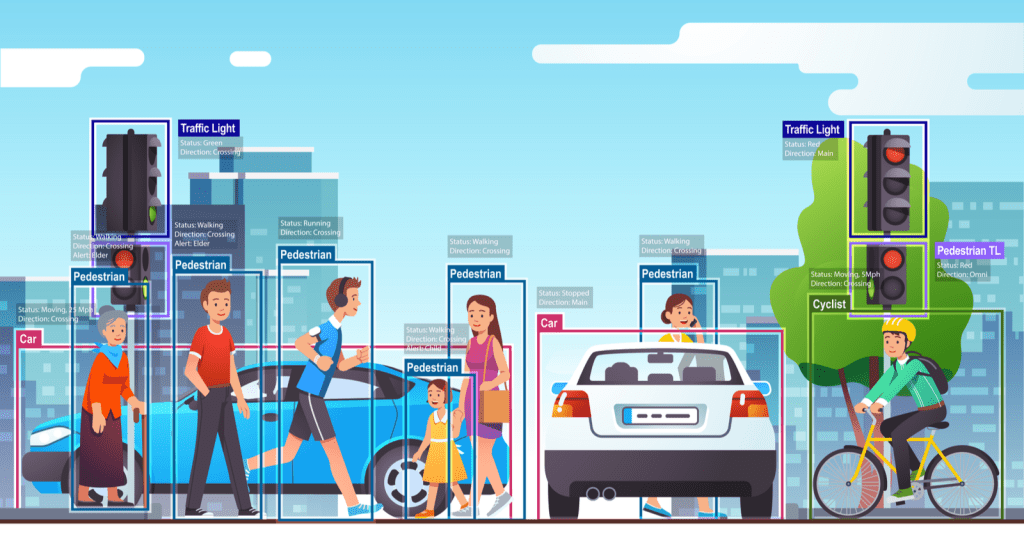
Computer Vision programs accurately identify specific people and classify different types of objects “Using digital images from cameras and videos and deep learning models,” and are then programmed to take certain actions based on the information gathered. Computer Vision does so by using neural networks algorithms, similar to how Deep Learning builds artificial neural networks in order to simulate human brain activity.

The artificial neural networks that are built within the Computer Vision branch of AI, are put together to recognize images in the same fashion that humans would put a puzzle together. However, instead of producing a final image like you would with a puzzle that you would buy at the store, computer vision models merely learn the different features that make up a person, place, or thing, based on millions of relevant photos uploaded by programmers.
For more information on Computer Vision works, please visit here.
Why does it matter?
Due to: the advances of mobile technology, the commoditization of computing power, increased availability of customized computer vision hardware, and new algorithms such as multi-layer neural networks (covered in Deep Learning post), “Accuracy rates for object identification and classification have gone from 50 percent to 99 percent in less than a decade — and today’s systems are more accurate than humans at quickly detecting and reacting to visual inputs.”
Potential Connected Experience Benefits
Computer Vision users in many industries are seeing real results. For example, Computer Vision can:
- Identify cancer patients who are candidates for surgery faster
- Distinguish between staged and real auto damage
- Enable facial recognition for security applications
- Make automatic checkout possible in modern retail stores
- Spot defects in manufacturing
- Detect early signs of plant disease in agriculture
So far, the focus of my blog has been on how putting AI technology to work can create engagement opportunities for organizations. During the next few weeks, the focus of my blog will pivot away from tech-talk towards taking a look at a set of guiding principles of accessibility that put people at the center of the web design process and accomplishes the same goal of optimizing a customer’s connected experience.
 Brendan Hukill